As temperatures plummet and frost blankets the fairways, the British golfer faces a unique challenge: maintaining peak
performance whilst battling the elements. Winter golf demands a strategic approach to apparel, where the art of layering
becomes as crucial as the perfect swing. Leading brands have revolutionised cold-weather golf wear, offering sophisticated
layering systems that keep players warm without sacrificing mobility or style.
To do so, it’s essential to delve into the science of effective layering, understanding how different fabrics work in harmony to
regulate body temperature, manage moisture, and protect against wind and rain. For the discerning golfer, harnessing cuttingedge layering solutions can transform winter rounds from endurance tests into enjoyable experiences—marking the start of a
comprehensive layering strategy.
The Foundation: Base Layers That Perform
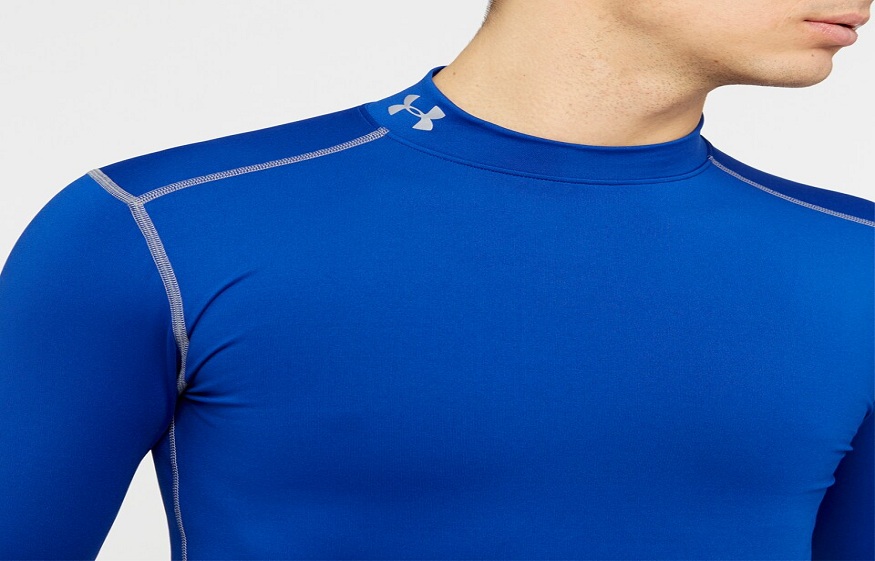
Every successful winter golf outfit starts with the base layer, the garment closest to your skin. This crucial piece manages
moisture while providing thermal insulation. wick sweat from the body and trap heat to
keep you warm.
Under Armour’s ColdGear base layers
Modern base layers employ synthetic fibres or merino wool blends that offer superior moisture management compared to
traditional cotton. Nike’s Dri-FIT technology actively pulls perspiration to the fabric’s surface, where it can evaporate,
preventing the clammy feeling that can occur during a round. This moisture management is critical—damp clothing conducts
heat away from the body twenty-five times faster than dry fabric, making proper base layer selection essential for winter golf
comfort.
The fit of base layers deserves particular attention. Garments should sit close to the skin without restricting movement,
allowing for full rotation during the swing. Contemporary base layers incorporate four-way stretch technology, ensuring the
fabric moves seamlessly with your body throughout the complex biomechanics of the golf swing.
The Insulating Mid-Layer: Warmth Without Bulk
The mid-layer provides the primary source of insulation, trapping warm air close to the body whilst allowing moisture to
escape. This layer presents the most significant opportunity for golfers to express personal style whilst maintaining technical
performance. showcases how modern mid-layers combine lightweight insulation with
breathability.
Galvin Green’s Interface collection
Fleece remains a popular choice for mid-layers, offering excellent warmth-to-weight ratios and quick-drying properties.
However, contemporary alternatives such as PrimaLoft and Thinsulate provide superior warmth with reduced bulk. Ralph
Lauren’s golf-specific mid-layers incorporate these advanced insulations whilst maintaining the brand’s signature aesthetic
sophistication.
The versatility of mid-layers makes them invaluable throughout the winter season. As conditions vary—from crisp, sunny
mornings to overcast afternoons—golfers can add or remove mid-layers to maintain optimal comfort. Options range from
lightweight micro-fleeces for milder days to heavier insulated pieces for the depths of winter, ensuring golfers can adapt to the
British weather’s notorious unpredictability.
The Protective Outer Layer: Defending Againstthe Elements
The outer layer is the golfer’s primary defence against wind, rain, and cold. It should be waterproof, windproof, and breathable
to prevent overheating. Galvin Green’s GORE-TEX technology sets the standard, using pores that release water vapour while
blocking moisture.
Modern golf jackets employ sophisticated fabric technologies that were unimaginable a generation ago. Adidas’
and Nike’s Storm-FIT systems provide complete weather protection without the restrictive feel of
traditional waterproofs. These fabrics incorporate stretch properties that accommodate the full range of motion in the golf
swing, ensuring protection without compromising performance.
Rain.RDY waterproof jackets
The design of outer layers has evolved beyond pure functionality to incorporate style elements that appeal to fashionconscious golfers. Hugo Boss’s golf outerwear demonstrates how technical performance can coexist with refined aesthetics.
Tailored cuts, premium finishes, and subtle branding create jackets that transition seamlessly from course to clubhouse.
Temperature Regulation During Play
Understanding how to adjust layers during a round optimises comfort and performance. Most golfers generate significant heat
during play, particularly during the swing, but cool down quickly between shots. feature easy-access
zippers that let you make quick ventilation adjustments without disrupting play.
FootJoy’s winter jackets
Consider the round’s timing when planning your layers. Early morning rounds may start in near-freezing temperatures but warm
considerably by the back nine. Packable mid-layers compress into small pouches, making them easy to stow in your bag when
conditions warm.
Essential Winter Accessories
Completing your winter golf wardrobe requires attention to extremities. maintain warmth whilst preserving
grip and feel—essential for proper club control in cold conditions. FootJoy’s winter gloves employ materials that insulate
without adding bulk, allowing natural hand movement during the swing.
Thermal golf gloves
Headwear provides crucial protection against heat loss. Thermal beanies and headbands maintain warmth without interfering
with vision or hearing—critical factors for golf performance. Modern thermal headwear employs moisture-wicking fabrics that
prevent sweat accumulation during play.
The Performance Benefits of Proper Layering
Beyond comfort, proper layering directly impacts golf performance. Maintaining optimal body temperature preserves muscle
function and energy levels throughout the round. Cold muscles become stiff and less responsive, affecting swing mechanics
and distance control. Adequate insulation keeps muscles warm and supple, maintaining the fluidity essential for consistent ball
striking.
Mental performance also benefits from thermal comfort. Cold discomfort distracts and undermines focus and decision-making.
employs technologies that maintain comfort across varying activity levels, allowing golfers to
concentrate fully on their game rather than battling the elements.
Nike’s winter golf apparel
Conclusion
The commitment to year-round golf defines passionate players, and mastering cold-weather layering makes this commitment
sustainable and enjoyable. By strategically selecting base layers, mid-layers, and outer shells from proven brands, British
golfers can build comprehensive winter systems that perform across a range of conditions.
Understanding layering principles—moisture management, insulation, and weather protection—empowers informed apparel
decisions. Combined with quality components from manufacturers specialising in golf-specific technologies, these systems
transform winter play from endurance tests into genuine enjoyment. The investment in proper winter layering ensures that
neither cold temperatures nor unpredictable British weather need ever diminish passion for the game.